
America's Founding Fathers Portraits





Benjamin Franklin
Medium: Oil on Panel
Medium: Oil on Panel
John Adams
Medium: Oil on Panel
Medium: Oil on Panel
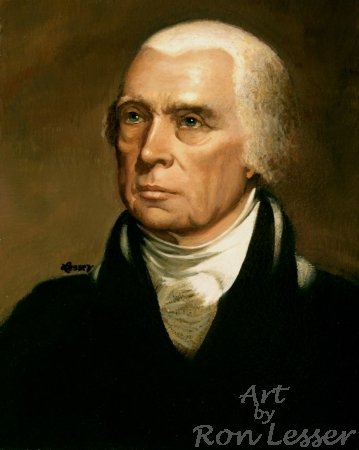
James Madison
Medium: Oil on Panel
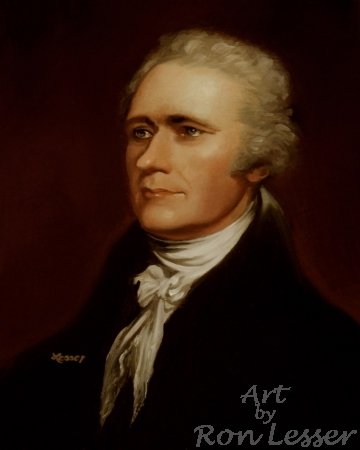
Alexander Hamilton
Medium: Oil on Panel
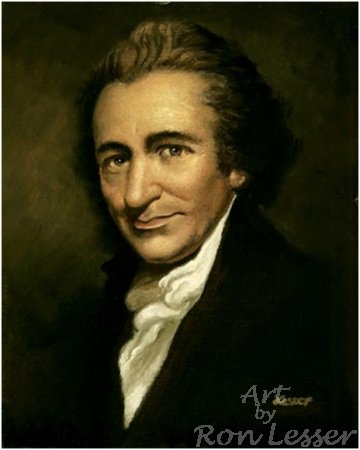
Thomas Paine
Medium: Oil on Panel
Paul Revere
Medium: Oil on Panel
Thomas Jefferson #2
Medium: Oil on Panel
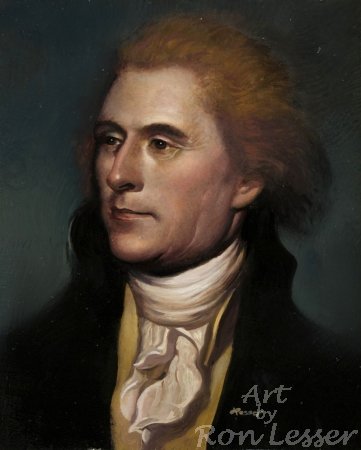
Thomas Jefferson
Medium: Oil on Panel
George Washington
Medium: Oil on Panel
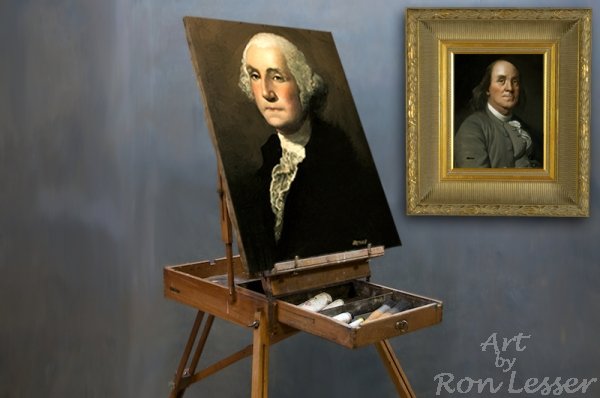
George Washington on Easel and Benjamin Franklin in Frame
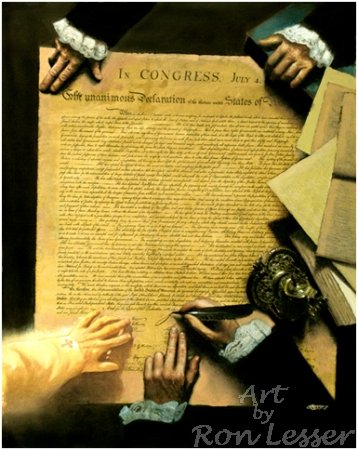
Divine Provenance
Medium: Oil on Panel.
Historians baffled by handprint on Declaration of Independence.
Washington (CNN)It's one of the nation's most important founding documents but the Declaration of Independence -- the document that paved the way for the creation of the United States -- hasn't always been treated with the care you might expect.
Since it was signed in 1776, the Declaration was haphazardly transported around the country in carriages, a sailing ship and even an unprotected car.
"It was terrible," said David Ward, senior historian at the National Portrait Gallery. "It was put in a burlap bag. They rolled it up all the time, which you're not supposed to do. It was exposed to light, it was exposed to smoke."
And at some point along the way, someone slapped a big, dirty handprint on the bottom left-hand corner—and never fessed up to it.
The dark smudge on the nation's famed document has baffled historians for years.
Was it an unwashed founding father, as he leaned over the parchment on that hot summer day in eighteenth century Philadelphia? Or maybe it was the print-shop owner who reframed the document in 1888? Was it Nicholas Cage when he stole the Declaration of Independence in National Treasure?
To attempt to unlock the secret of this age-old historical mystery, CNN Politics followed the path of the document in Washington, an exploration that took us to the underground Conservation Lab at the U.S. National Archives, the halls of the National Portrait Gallery and the Library of Congress.
-
Benjamin Franklin
Medium: Oil on Panel
Benjamin Franklin
Medium: Oil on Panel

-
General George Washington
Medium: Oil on PanelGeneral George Washington
Medium: Oil on Panel
-
John Adams
Medium: Oil on Panel
John Adams
Medium: Oil on Panel

-
James Monroe
Medium: Oil on PanelJames Monroe
Medium: Oil on Panel
-
James Madison
Medium: Oil on Panel
James Madison
Medium: Oil on Panel

-
Alexander Hamilton
Medium: Oil on Panel
Alexander Hamilton
Medium: Oil on Panel

-
Thomas Paine
Medium: Oil on Panel
Thomas Paine
Medium: Oil on Panel

-
Paul Revere
Medium: Oil on Panel
Paul Revere
Medium: Oil on Panel

-
Thomas Jefferson #2
Medium: Oil on Panel
Thomas Jefferson #2
Medium: Oil on Panel

-
Thomas Jefferson
Medium: Oil on Panel
Thomas Jefferson
Medium: Oil on Panel

-
George Washington
Medium: Oil on Panel
George Washington
Medium: Oil on Panel

-
George Washington on Easel and Benjamin Franklin in Frame
George Washington on Easel and Benjamin Franklin in Frame

-
Divine Provenance
Medium: Oil on Panel.
Historians baffled by handprint on Declaration of Independence.
Washington (CNN)It's one of the nation's most important founding documents but the Declaration of Independence -- the document that paved the way for the creation of the United States -- hasn't always been treated with the care you might expect.
Since it was signed in 1776, the Declaration was haphazardly transported around the country in carriages, a sailing ship and even an unprotected car.
"It was terrible," said David Ward, senior historian at the National Portrait Gallery. "It was put in a burlap bag. They rolled it up all the time, which you're not supposed to do. It was exposed to light, it was exposed to smoke."
And at some point along the way, someone slapped a big, dirty handprint on the bottom left-hand corner—and never fessed up to it.
The dark smudge on the nation's famed document has baffled historians for years.
Was it an unwashed founding father, as he leaned over the parchment on that hot summer day in eighteenth century Philadelphia? Or maybe it was the print-shop owner who reframed the document in 1888? Was it Nicholas Cage when he stole the Declaration of Independence in National Treasure?
To attempt to unlock the secret of this age-old historical mystery, CNN Politics followed the path of the document in Washington, an exploration that took us to the underground Conservation Lab at the U.S. National Archives, the halls of the National Portrait Gallery and the Library of Congress.


CLICK ON MAIN IMAGE ABOVE FOR DETAILS.